
Anti-Climb Fencing
Anti-Climb Fencing for Canadian Fence Builders
Binns Canada supplies installers across the country with proven anti-climb mesh systems that protect public and private sites without slowing your crews down. Backed by 85+ years of protective security expertise, we stock and manufacture a complete line of welded, woven and hybrid systems with LPS 1175 A1 (SR1), B3 (SR2) and C5 (SR3) options. You’ll find the right specification for utilities, transportation, data, energy and municipal projects from Vancouver to St. John’s—with the technical detail, kit format and service fence contractors expect.
Phone: 877-572-4667 Email: info@binns-canada.ca
Why installers choose Binns Canada anti-climb fencing
- Real climb delay: Tight apertures such as 76.2 × 12.7 mm (358 mesh) and 17 × 17 mm (woven) stop toe-holds and hand-holds.
- Cut resistance by design: Sigle and twin-wire constructions from 4 mm, 5.5 mm, 6 mm, 8 mm and 10 mm wires resist attack with common tools.
- Faster installs: Single-panel B3/SR2 systems (UltraGuard) install around 30% quicker than double-skin B3 formats, reducing labour on tight shutdowns.
- Works on grades: Panels can be stepped; ArmaWeave rakes on site and can be buried 300 mm in soft ground.
- Coating built for longevity: Posts, panels, gates and fittings receive a protective zinc layer and electrostatically applied polyester powder coat (as specified on product pages), with enhanced marine coatings available.
- Add deterrent when required: Compatible with security toppings (razor and non-hostile options) to increase delay and visual deterrence.
- Canada-wide support: We help contractors match heights, post centres, clamp bars and gate options to drawings and site conditions.
Sam Bradbury is a Director with the Canadian Fence Association and Chairing the Committee for Standards and Best Practices within the CFA.
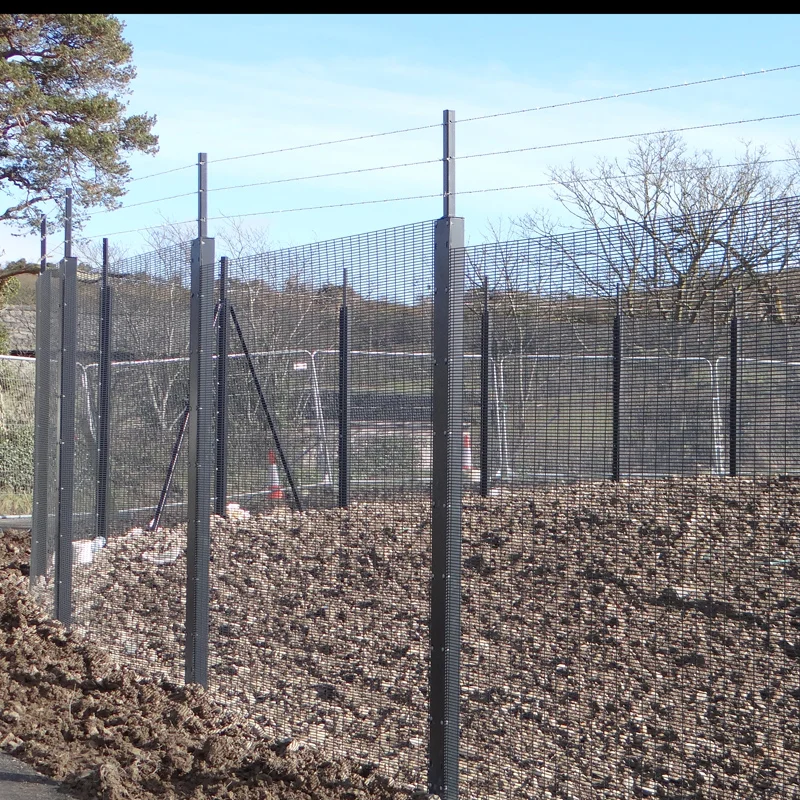
Our anti-climb fencing range

01: CANFEN 358 A1 (SR1) — welded 358 anti-climb mesh
- Certification: LPS 1175 A1 (SR1)
- Mesh aperture: 76.2 × 12.7 mm
- Wires: 1 × 4 mm vertical, 1 × 4 mm horizontal
- Standard heights (nominal): 2.0 m, 2.4 m, 3.0 m (approx. panel heights 2007, 2438, 2997 mm)
- Panel size: 2518 mm
- Post size (2.4 m): 80 × 80 mm
- Clamp bar: 80 × 5 mm
- Top edge: Minimal projections
- Max post centres: 2440 mm
- Notes for installers: Overlapping panels with stainless steel through fixings deliver a secure, clean finish. Panels can be stepped; on steeper grades consider taller panels, part-burying or additional posts as per the site method.
Typical Canadian uses: water treatment perimeters, substations, rail corridors, port facilities and data compounds where a clean look and SR1 performance are required.
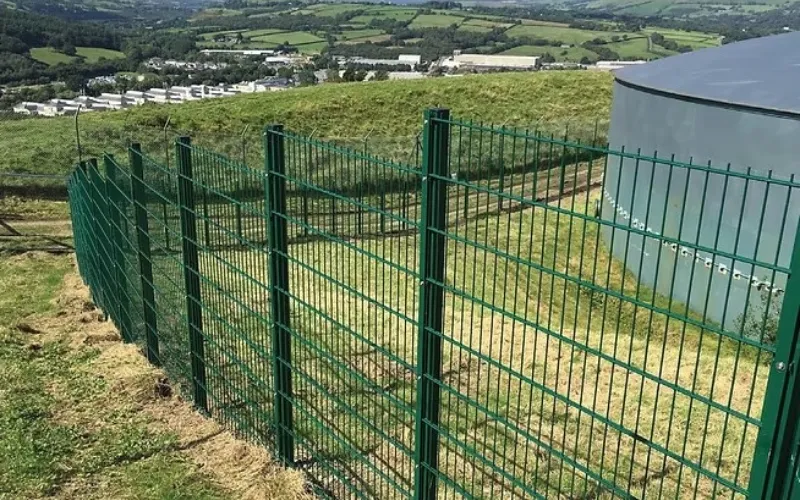
CANFEN 868 A1 SR1
- Certification: LPS 1175 A1 (SR1)
- Mesh aperture: 50 × 200 mm
- Wires: 1 × 6 mm vertical, 2 × 8 mm horizontal
- Standard heights (nominal): 2.0 m, 2.4 m, 3.0 m (approx. panel heights 2030, 2430, 3008 mm)
- Panel size: 2510 mm
- Post size: 80 × 80 mm
- Clamp bar: 80 × 5 mm
- Top edge: 22 mm projection (2.0, 2.4 m), flush (3.0 m)
- Post centres: 2525 mmWhy contractors pick it: the heavier twin horizontal wires deliver extra vandal resistance for schools, yards and transit sites without moving up into SR2 costs.

CANFEN ULTRAGUARD B3 SR2
- Security level: B3 (SR2)
- Mesh aperture: 76.2 × 12.6 mm
- Wires: 1 × 10 mm vertical, 1 × 4 mm horizontal
- Installation speed: At least 30% quicker than comparable double-skin B3 systems.
- Heights (nominal): 2430–4330 mm
- Panel size: 2520 mm
- Post size (2.4 m): 80 × 80 mm
- Clamp bar: 80 × 5 mm
- Top edge: Minimal projection
- Post centres: 2536 mm
Where it fits: critical assets that demand SR2 performance but need a single-panel solution to keep programs moving—think energy sites and high-risk utilities.
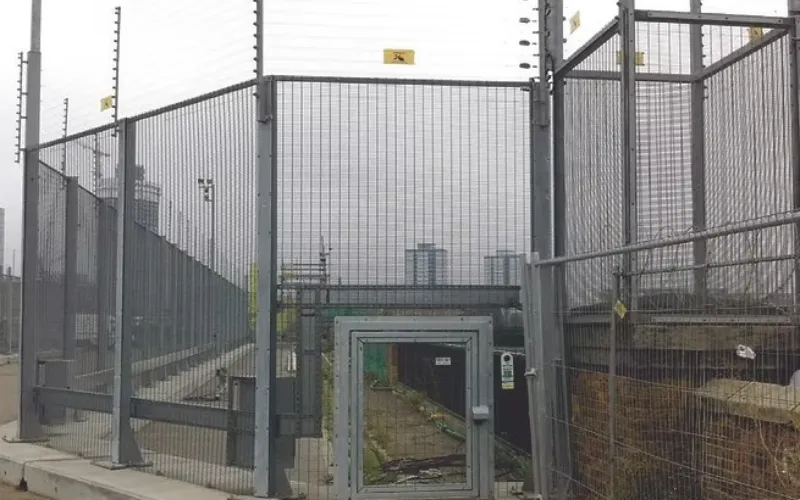
CANFEN ULTRAGUARD SUPER 5
- Mesh aperture: 76.2 × 12.7 mm
- Wires: 5.5 mm vertical and 5.5 mm horizontal (same diameter for extra weld area and panel rigidity)
- Minimum delay: At least 3 minutes
- Install speed: ~30% quicker than similar double-skin B3 systems due to the single-panel design
- Heights (nominal): 2430–5200 mm (listed panel heights include 2705 mm and 3302 mm)
- Panel size: 2518 mm
- Post size: minimum 100 × 50 mm
- Clamp bar: 40 × 5 mm
- Top edge: Minimal projections
- Post centres: 2440 mm
Use case: when you need a stiffer panel that resists natural curvature—ideal on long straight runs and exposed sites on the Prairies and Atlantic coasts.

CANFEN ARMAWEAVE fencing
- Status: First woven fencing system “Approved for UK Government Use.”
- Mesh aperture: 17 × 17 mm
- Wires: 4 mm high-tensile, woven
- Heights (nominal): 3.0 m, 3.3+, 3.6+, 5.2 m (listed heights: 3000, 3300, 3900, 5200 mm)
- Panel size: 2530 mm
- Clamp bar: 140 × 5 mm
- Top edge: Minimal projections
- Post centres: 2530 mm
- Ground options: Panels rake on site to follow contours; bury 300 mm in soft ground or install flush to hard ground.
Why it’s popular: fast on uneven terrain in places like Northern Ontario or coastal B.C., where stepped panels slow the crew. The tight 17 mm weave delivers outstanding anti-climb and anti-cut performance.

CANFEN COMBI A1 SR1
- Certification: LPS 1175 A1 (SR1); Secured by Design; conforms to BS 1722 Part 12:2016
- Design: Patented Combi™ vee slot secures the pale through the rail with a countersunk bolt on the front face.
- Design life: 25–40 years
- Install benefits: No specialist tools; installs on sloping, uneven ground
- Heights: 1.8–3.0 m
- Supply: Kit form for transport, storage and installation
- Gates: Range of security-rated pedestrian and vehicle gates
Where it lands: industrial and municipal sites that want the deterrence of palisade with SR1 certification and quick installation.
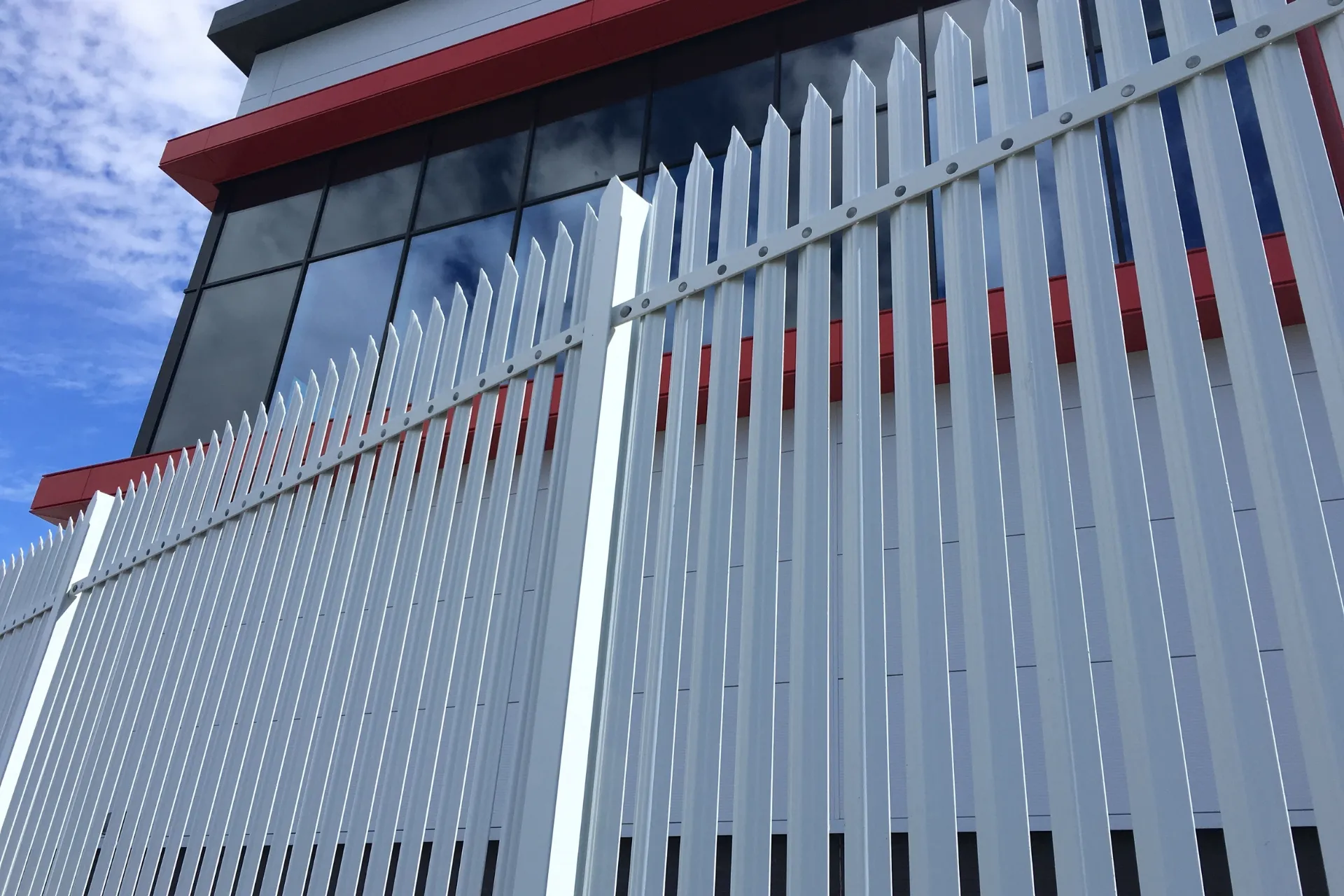
CANFEN COMBI B3 SR2
- Certification: LPS 1175 B3 (SR2); Secured by Design; conforms to BS 1722 Part 12:2016
- Design life: 25–40 years
- Install speed: One of the quickest fences to install at B3 (SR2)
- Tools: No specialist tooling required
- Ground: Handles sloping, uneven ground
- Heights: 2.4–3.0 m
- Supply: Kit form; gates available
Contractor fit: when drawings call for SR2 and a palisade aesthetic—common on utilities, logistics hubs and MOD-style compounds.

CANFEN DEFENDER SR3
- Certification: LPS 1175 C5 (SR3)
- Tested delay: Minimum 5 minutes; independently tested against hand and power tools
- Design life: 25–40 years
- Fittings: Only 10 security fittings per panel
- Install: No specialist tooling; works on sloping, uneven ground
- Gates: Range of security-rated pedestrian and vehicle gates
- Supply: Kit form for easier logistics
Where it’s used: high-value assets and critical national infrastructure including water utility sites, oil and gas compounds, data centres and similar high-risk perimeters.
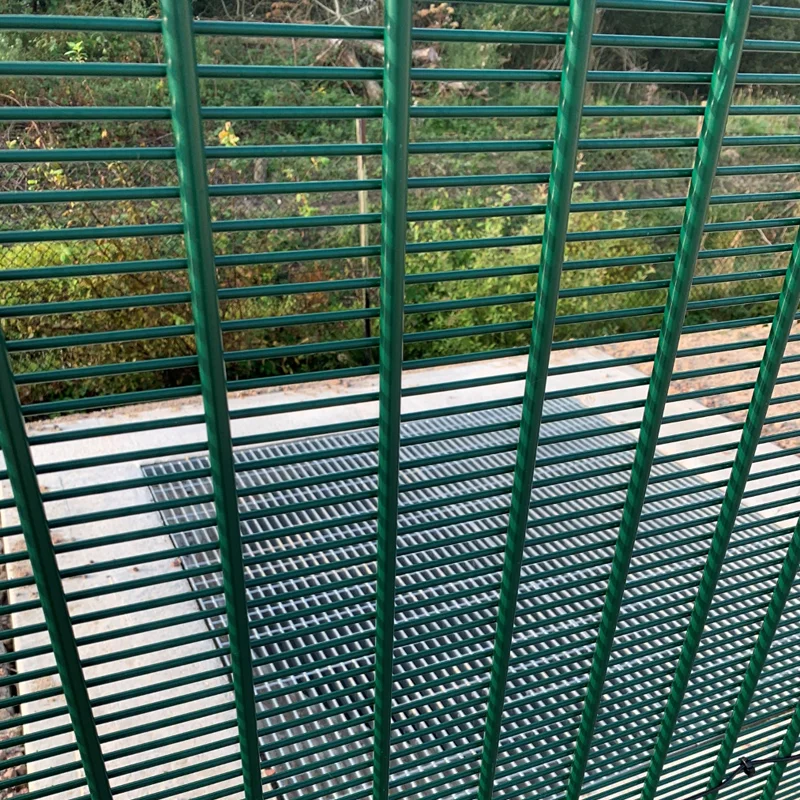
Coatings, finish and service life
Across the range, Binns Canada posts, panels, gates and painted auxiliary components (clamp bars, slide bolts and more) include a protective zinc layer with electrostatically applied polyester powder coating in line with the specifications shown on each page. Product literature notes coating practice aligned to BS 1722-16 and describes a long service life with routine maintenance, with enhanced marine coatings available for harsher C-zones. Ask our team for the right finish package for Atlantic, Prairie, Northern or coastal projects.
Built for Canadian jobsites
Fence builders work in all conditions—winter frost in Winnipeg, spring thaw in Ottawa, salt air in Halifax and steep embankments around Vancouver. This range supports those realities:
- Stepped panels and raking options keep your line true on grades and ridgelines.
- Post centres listed (e.g., 2440–2536 mm) speed up setting out.
- Clamp bars (40 × 5 mm, 80 × 5 mm and 140 × 5 mm) and minimal-projection top edges deliver a clean finish that discourages scaling.
- Heights from 1.8 m to 5.2 m let you meet local risk ratings and client standards without mixing suppliers.
- Kit-form supply and stainless through-fixings (per product) keep install sequences simple for crews working on railway possessions, night shifts and live industrial facilities.
Certifications and industry involvement
Binns Canada operates with recognised management systems and participates in North American and UK trade bodies:
- Cyber Essentials
- Active memberships: Fence Workers Association (FWA), Canadian Fence Association (CFA/CFIA), Association of Fencing Industries (AFI) and American Fence Association (AFA)
These programs underpin product consistency, safe delivery and responsible environmental practice on the projects you build.
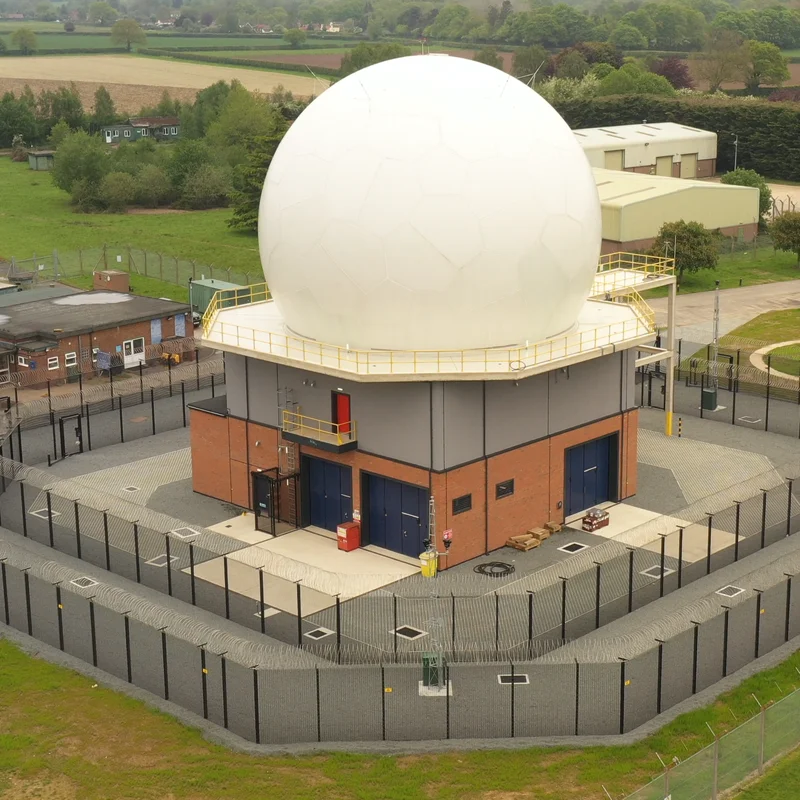
Typical applications we support
- Water & wastewater treatment works and reservoirs
- Electrical utilities and substations
- Transit and rail corridors and stations
- Data centres and telecom facilities
- Oil, gas and petrochemical compounds
- Ports, airports and logistics perimeters
- Public sector and municipal sites
(If your client requires toppings, we supply hostile and non-hostile security toppings compatible with the mesh systems above.)
How we work with fence builders across Canada
- Specification help: Share drawings and risk level; we’ll recommend the most efficient SR1, SR2 or SR3 option with the right height, post centres and clamp bars.
- Quotes that match reality: We align bills of materials to terrain notes (stepping, burying or extra posts) so you don’t get caught on site.
- Delivery to schedule: We coordinate supply to suit shutdowns and staged installs.
- After-sales support: Need guidance on coatings for a marine job or advice on toppings? Call our team—no generic ticket system, just engineers who know the products.
Get a fast quote for anti-climb fencing
Whether you’re pricing a substation in Alberta, a treatment plant in Quebec, or a data facility in the GTA, our team will help you pick the right system and turn around a competitive package.
Call: 877-572-4667
Email: info@binns-canada.ca
Binns Canada—your nationwide partner for anti-climb fencing with proven performance, installer-friendly details and the backing of 85+ years in protective security.
FAQs
What’s the difference between 358 mesh and 868 mesh?
358 is a tight welded mesh with 76.2 × 12.7 mm apertures and 4 mm wires (vertical and horizontal). It’s designed to stop toe-holds and is certified to LPS 1175 A1 (SR1).
868 is a heavier twin-wire system with 50 × 200 mm apertures, 1 × 6 mm vertical and 2 × 8 mm horizontal wires—also rated A1 (SR1). Think of 358 for maximum anti-climb visibility and 868 when you want extra rigidity and vandal resistance.
Which systems hit SR2 and SR3 security levels?
For SR2 (B3) you’ve got two choices: CANFEN UltraGuard B3 (SR2), a single-skin mesh that installs about 30% faster than double-skin B3 systems, and CANFEN Combi B3 (SR2), a hybrid palisade that’s one of the quickest SR2 fences to install.
For SR3, choose CANFEN Defender SR3—a maximum-security palisade tested to LPS 1175 C5 (SR3) with a minimum 5-minute delay against hand and power tools.
Do these fences work on grades and uneven ground?
Yes. All systems can be stepped to suit the terrain. ArmaWeave goes further: it rakes on site to follow contours and can be buried 300 mm in soft ground or installed flush to hard ground. That’s handy on sites in B.C., Northern Ontario or Atlantic Canada where slopes are a given.
What heights and post centres can I plan around?
Across the range you can cover 1.8 m to 5.2 m heights. Examples from the specs:
- 358 A1 (SR1): nominal 2.0, 2.4, 3.0 m (panel heights about 2007, 2438, 2997 mm) with 2440 mm post centres.
- 868 A1 (SR1): nominal 2.0, 2.4, 3.0 m (panel heights 2030, 2430, 3008 mm) with 2525 mm post centres.
- UltraGuard B3 (SR2): 2430–4330 mm nominal; 2536 mm post centres.
- UltraGuard Super 5: heights listed include 2430–5200 mm with 2440 mm post centres.
- ArmaWeave: nominal 3.0, 3.3+, 3.6+, 5.2 m with 2530 mm post centres.
Panel sizes commonly fall in the 2510–2530 mm range; clamp bars are 40 × 5 mm, 80 × 5 mm or 140 × 5 mm, depending on the system.
What coating system do you supply for Canadian conditions?
Posts, panels, gates and painted components receive a protective zinc layer followed by an electrostatically applied polyester powder coat as described in your product sheets (with references to BS 1722-16). We also specify enhanced marine coatings for harsher C-zones—ideal for coastal jobs from Halifax to Prince Rupert.
Can I add security toppings to these fences?
Absolutely. Your mesh systems accept hostile and non-hostile security toppings. The tight apertures already fight scaling; toppings add visual deterrence and extra delay. Clamp bars specified (80 × 5 mm, 140 × 5 mm on ArmaWeave, 40 × 5 mm on Super 5) keep the top line clean and secure.
What’s special about UltraGuard Super 5?
UltraGuard Super 5 uses 5.5 mm vertical and horizontal wires—same diameter both ways—which increases weld area and overall rigidity. It delivers a guaranteed minimum delay of at least 3 minutes, resists natural panel curvature and installs about 30% faster than similar double-skin B3 systems. Heights run up to ~5.2 m.
Is the woven ArmaWeave acceptable on government-sensitive sites?
Yes. CANFEN ArmaWeave is noted as the first woven fencing system “Approved for UK Government Use.” The 17 × 17 mm high-tensile weave offers tight anti-climb performance, rakes on site and can be 300 mm buried in soft ground—great for security-critical sites with changing levels.
Do the hybrid palisade systems include gates?
They do. Combi A1 (SR1), Combi B3 (SR2) and Defender SR3 all list a range of security-rated pedestrian and vehicle gates. Hybrids use the patented Combi™ vee-slot rail connection with a countersunk bolt through the front face—quick to install and engineered for long design life (25–40 years listed).
How do I choose between SR1, SR2 and SR3 for a project in Canada?
Use the risk profile and the client’s standard as your guide:
- SR1 (A1)—general high-security perimeters for utilities, transit and municipal sites (e.g., CANFEN 358 or 868).
- SR2 (B3)—higher-risk compounds, data or energy sites demanding more delay with efficient installs (UltraGuard B3 or Combi B3).
- SR3 (C5)—critical national infrastructure and high-value assets (Defender SR3). Send your drawing and terrain notes and we’ll match height, post centres, clamp bars and coating to your spec so your take-off is install-ready.